
Winter Rodent Prevention: Recognizing Rat Tracks in Snow
When the temperatures drop across Massachusetts, rodents start looking for warmth, food, and shelter — and your home becomes an ideal target. One of the easiest ways to spot early signs of a rodent problem during the colder winter months is by identifying rat tracks in snow. These tiny patterns in your yard, driveway, or near your home’s foundation can reveal where rodents are traveling, nesting, or finding entry points. Understanding what these tracks look like — and what to do when you find them — is key to winter rodent prevention.
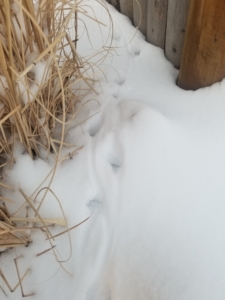
Snow can help rodent control two ways, both related to tracking: the first is identifying the type of rodent; the second is knowing where it is going. In the image below for example, these rat tracks are near the back of a dumpster. The tracks lead between the ornamental grasses and the stockade fence around the dumpster.
Different Rodent Snow Tracks
Fresh snowfall can act like a blank canvas, capturing evidence of animal activity around your property. Rodent tracks in snow are among the most telling signs that rats or mice are living nearby. The shape, size, and movement pattern of the tracks can help you determine which type of rodent you’re dealing with — and how serious the problem might be.
Mouse Snow Tracks
Mice tracks in snow are small, delicate, and often form distinct patterns. These tracks usually show four tiny footprints — two small front paws and two slightly larger back paws — occasionally accompanied by thin tail drag marks between them. If you look closely, you’ll notice that the prints are spaced closely together because mice have short legs and take small, quick hops.
You might find mice footprints in the snow leading toward sheds, garages, foundation vents, or small gaps near basement windows. Because mice are nimble climbers and can squeeze through openings the size of a pencil eraser, it’s crucial to inspect your home’s exterior once you’ve spotted mouse snow tracks. Seal any visible gaps and remove nearby clutter or food sources that could attract them.
Rat Snow Tracks
Compared to mice, rat snow tracks are larger and easier to spot. Rats have longer bodies and heavier tails, so their rat tracks in snow often show a more pronounced tail drag mark and wider gait.
You may also notice that rat snow tracks form straight or slightly curved lines, often leading toward crawl spaces, garbage bins, compost piles, or woodpiles. These areas provide both shelter and access to food. If you see tracks that suddenly disappear near a wall or deck, there’s a good chance a rat burrow is nearby — usually about 2–3 inches in diameter.
Because rats are excellent diggers, their burrows can extend deep underground or beneath concrete slabs. Discovering these tracks early allows homeowners to act quickly before rats make their way indoors.
Finding Mouse and Rat Burrows
Tracks are like arrows pointing to where to look. Start by planning to look after a snow event. For instance, the best type of tracking snow is a lighter snowfall event with dry snow. Any snow will help tell which direction the animal is moving and where it is moving to and from. This information is invaluable to helping discover patterns of activity. In image above, the rat tracks went right by an existing rodent bait station.
Next, look for water sources near the tracks. Rats need a water source every day, where mice do not because they get water from the food they eat. With a burrow system there will be tracks to a water source, unless the burrow connects to an underground water source like a sewer.
Mice tracks around the outside of a house can be used to find entry points into the home. First look at the snow around the foundation wall to see where tracks are evident. These tracks will cluster near the point where mice are climbing the foundation wall. Above the track cluster will be an entry point. Finally, look for tracks that disappear under attached parts of the house you cannot get under. These areas will need special attention or creativity. Examples are low decks, porches, or attached sheds without foundations.
Take advantage of fresh fallen snow to look for animal tracks. Inside an attic or basement, use dust like snow to find tracks to use as arrows of activity. Then follow those tracks to a successful rodent control plan. Set up your inspection today.
Why Rodents Are More Active in Winter
Winter drives rodents indoors for the same reasons people spend more time inside — warmth, food, and shelter. Mice and rats can’t survive long periods in freezing temperatures, so they take advantage of any crack, vent, or pipe opening to gain access to heated buildings.
Inside, they build nests in attics, basements, insulation, and wall cavities. Once indoors, they multiply quickly — a single pair of mice can produce dozens of offspring over the winter. That’s why recognizing rodent snow tracks outside your home is so critical: it gives you a chance to stop an infestation before it spreads indoors.
Keeping Rodents Out in Winter
Preventing rodent infestations starts with exclusion and sanitation. After spotting mouse or rat snow tracks, inspect your home’s foundation, siding, vents, and utility lines for openings. Seal cracks larger than ¼ inch with steel wool, caulk, or hardware cloth. Keep garbage cans tightly sealed and store firewood at least 20 feet from the house.
Inside, clean up food spills promptly, store pantry items in airtight containers, and reduce clutter that can serve as hiding spots. If you notice gnaw marks, droppings, or rustling sounds, act quickly — these are signs that rodents have already made it indoors.
Tracking Rodents without Snow
Snow isn’t always available, but you can still detect rodent activity using powder indoors to check for activity. Baby powder or any fine dust adheres to a rodent’s feet and fur, leaving visible trails as they move across a surface. It’s an effective tool for identifying rodent movement indoors, especially in basements or attics.
Other ways to monitor rodent activity include using non-toxic tracking blocks, motion sensors, or simple flour dusting across suspected pathways.
Spotting rat tracks in snow might seem like a small issue, but it’s actually one of the earliest and most important warning signs of a potential infestation. Whether you find mouse tracks in snow, rat burrows, or tail drag marks around your foundation, taking swift action can save you from costly damage and health risks later on. Winter may drive rodents closer, but with early detection and prevention, you can keep them — and their tracks — far away from your home.