
Where Do Ants Go in the Winter?
As the temperatures drop across Massachusetts, you might notice that the pesky ants at your residential or commercial property are no longer visible outside. So, where exactly do they go when the cold climate arrives? Understanding ant behavior helps homeowners and commercial property owners prepare to protect their properties through the winter months.
Do Ants Die in the Winter?
No, ants do not die in the winter months. What happens to ants in the winter is they enter diapause. Diapause is an inactive state. Clustering togethering in the nest, the fluid (insects do not have blood) in their bodies will thicken but not freeze.
Ants in the House in Winter
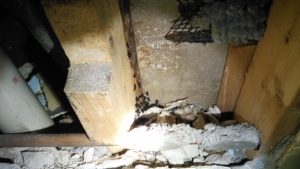
Ants may show up in your home in the winter, creating nests in the wall. In Massachusetts, any ant activity in the home between the months of December and March did not originate from the
outdoors. A typical active nest in the winter is on the inside of the insulation and on a south-facing wall. But, they may not simply stay within the wall. Oftentimes, in the winter homeowners will find ants in areas like the bathroom or the kitchen.
When ants are found in the winter, it’s safest not to remove them yourself. Leave it to ant control experts to come and safely exterminate ant colonies from your walls and home.
How Do Ants Get Inside the Home?
Carpenter ants tend to start nests in wet wood. Humans may notice this wet wood through water stains on the wood. This is why they are often found near bathrooms or kitchens. During an inspection, pest control experts will look around windows and doors with bad flashing, where wet wood can often be found. They will also inspect under sinks, tubs, or toilets that have ever leaked. Tiled showers and tubs with tiled walls may also be areas where ants can be found.
Aside from plumbing, pest control experts will examine the exterior of the home to identify any areas prone to leakage, such as chimneys, fireplace flutes, and flashing around the stone or brick. Even if it is not currently leaking, a former leak will attract ants into your home.
Where Do Ants Actually Nest?
During the winter months, ant colonies can be found in any of the following areas of a home or commercial property:
- Walls and insulation: the space between your walls provides excellent protection for ants from the cold weather
- Beneath foundations: the area under concrete slabs and foundation walls stays warmer than the outdoor environment
- Inside heated structures: carpenter ants and other species may overwinter inside your home or business without you ever knowing
- Under mulch and landscape materials: Dense ground cover near your building or residential home provides a surprising warmth for pests
If you spot ants, whether it’s at your Cape Cod home or your Metro Boston business, contact Greenhow’s ant control experts for an inspection and treatment plan.
Carpenter Ant Frass
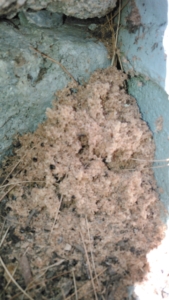
Carpenter Ant Frass
A common sign of carpenter ants in a home or commercial property is through conical piles of sawdust and carpenter ant body parts. This sawdust material with ant parts in it is called “frass”, which forms conical piles noticeable in the home or business. Carpenter ants do not eat wood. But, as mentioned before, they do nest in it. When they excavate the wood members, they push the frass out. This helps identify areas where the nests are located. In the winter months, if you notice frass in your property, contact an ant control expert as soon as possible.
Can You Treat Ants in the Winter?
Ant control services do not have to wait until the warmer months. Where there is an infestation, there is an opportunity for ant treatment. The first step is to fix any current leaks in the home that let the water in that attracts the ants. The next step is to treat the nest location.
If the nest location is not accessible, pest control experts will treat the trails to the nests. A common mistake made by homeowners trying to treat the issue themselves is that they rely on just one material to solve the ant issue. Successful ant control comes through integrating methods of both moisture control and a variety of materials.
In some cases, trails can be hard to locate. But, that does not mean it’s impossible to find them. Setting ant bait, especially at night, can help homeowners and pest control experts locate the ant trails to continue on with the treatment.